

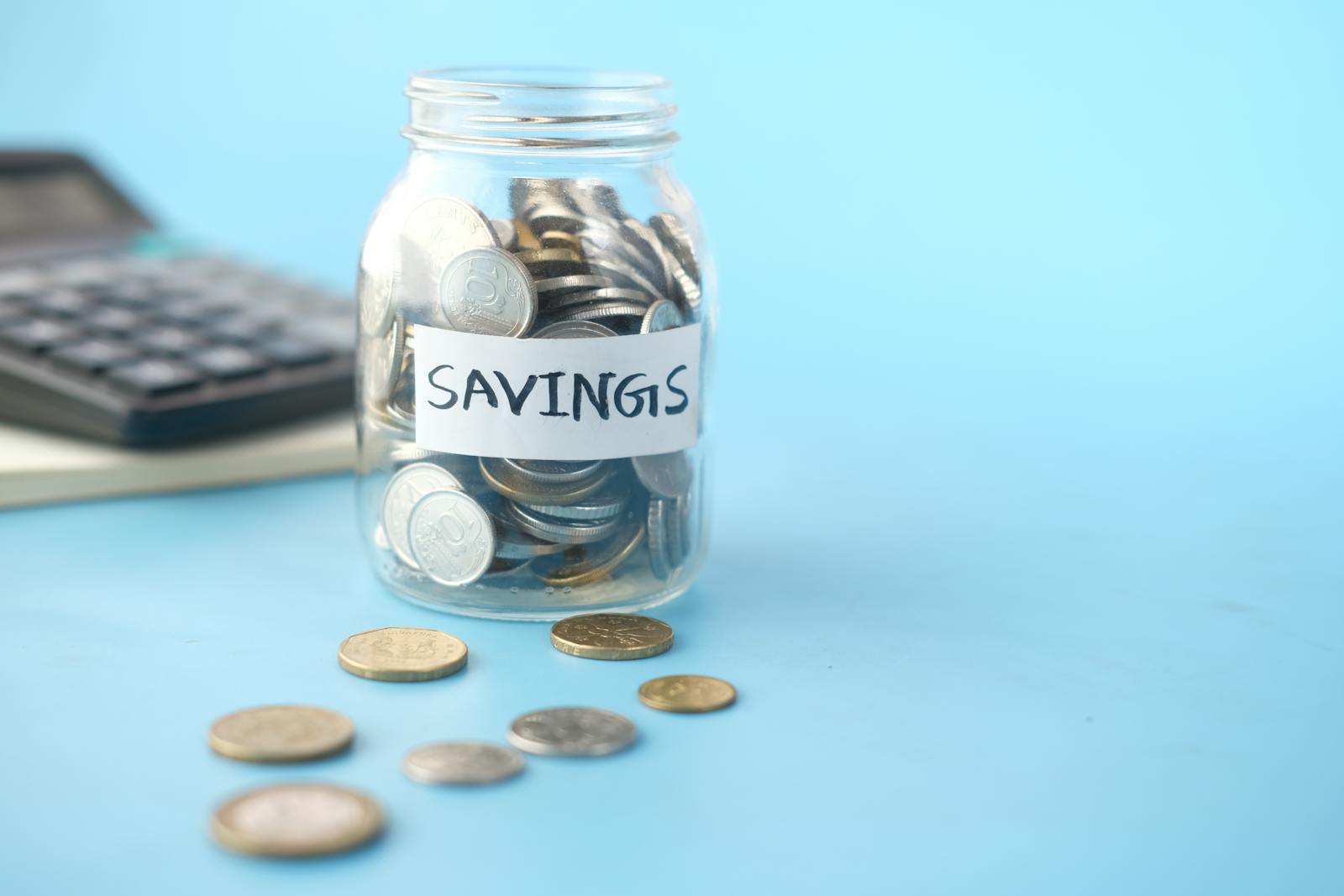
When I first asked my husband how he would feel about pressing pause on all nonessential spending for 30 days, he was a bit skeptical. However, he eventually got on board, and when I asked him again the next year, he didn’t even hesitate.
A no-spend month—where you only pay for essentials like food, rent, and utilities—can reset your habits, boost your savings, and help you hit a meaningful financial goal faster. I’m not talking about deprivation for the sake of it. I’m talking about intentional spending with a clear purpose.
Let’s break down how to do it successfully—and how having a powerful “why” makes all the difference.
First: Define Your “Why”
A no-spend month is much easier when it’s connected to something bigger than “I should save more.” You need a tangible reason to propel you into action.
Your why might be:
- Paying off credit card debt
- Building a 3–6 month emergency fund
- Saving for a vacation or home project
- Catching up after holiday spending
- Funding a move, wedding, or new baby
Whether you’re saving for your dream vacation or trying to knock out that last car payment, when you have a clear goal, your mindshift changes from “I can’t buy this” into “I’m making an intentional choice to better my future.” Having clarity about your “why,” makes a no-spend month feel empowering not restrictive.
Pro Tip: Write your goal down. Put the number somewhere visible. Track progress weekly. Make it tangible. This simple act will increase your motivation to stay on track.
What Counts as “No-Spend”?
It’s unrealistic to think you can go a whole month without any expenses, so agree on the essentials. Before you begin, define your rules clearly, especially if you have a spouse or partner along for the ride. You want to be sure you are on the same page to avoid any conflicts.
Typically Allowed:
- Rent or mortgage
- Utilities (electric, water, internet)
- Groceries
- Gas or public transportation
- Prescriptions
Not Allowed:
- Takeout or delivery
- Clothing
- Home décor
- Entertainment purchases
- Anything that is not essential
Make your rules realistic but firm. Clarity is the key to success.
Smart Ways to Save During a No-Spend Month
You don’t have to suffer. Get creative and make it a fun challenge!
1. Use Gift Cards Strategically
Have unused gift cards sitting in a drawer? Now’s the time to cash them in.
- Restaurant gift cards can reduce your food budget.
- Coffee shop cards replace your morning splurge.
- Retail gift cards can cover essentials if truly needed.
Pro tip: If you earn gift cards from rewards programs, redirect them toward necessities instead of treats.
2. Eat What You Already Have
Before grocery shopping:
- Take inventory of your pantry and freezer.
- Plan meals around what you already own.
- Try a “use it up” challenge week. AI can help you come up with a meal based on the ingredients that you already have on hand.
You’ll likely discover you have more food than you think.
3. Replace Paid Fun with Free Fun
Entertainment doesn’t have to cost money.
- Borrow books or movies from the library.
- Host a potluck instead of dining out.
- Explore local parks, ride your bike, or enjoy a hike.
- Start a 30-day fitness challenge at home.
You might even realize some of your spending was just a habit and you don’t even miss it.
4. Unsubscribe and Pause
A no-spend month is the perfect time to audit your subscriptions:
- Streaming services
- App memberships
- Subscription boxes
- Gym add-ons
If you don’t use it weekly, pause it. This will compound your savings.
5. Avoid Temptation
- Delete shopping apps
- Unsubscribe from retail marketing emails
- Avoid browsing online or in stores
- Write your goal on a Post-it note and stick it to your credit card
Pro tip: Try it in February since it’s the shortest month of the year and right after the holiday season or during the summer when there is a variety of free outdoor activities.
The Hidden Benefits of a No-Spend Month
Beyond the money saved, something bigger emerges:
- You become aware of emotional spending triggers.
- You separate wants from needs.
- You gain confidence in your ability to control your finances.
- You learn contentment.
Many people discover they don’t miss half the things they thought they “needed.”
How Much Can You Actually Save?
It depends on your lifestyle, but most people are shocked by the result.
If you normally spend:
- $400 on dining out
- $200 on shopping
- $200 on entertainment
That’s $800 saved in one month.
Do that twice a year? $1,600.
Apply that toward debt—or toward your dream trip—and suddenly progress feels real. I have saved more money than I thought possible each time I took on this challenge.
Make It a Reset, Not a Punishment
A no-spend month isn’t about not enjoying your money. It’s about:
- Regaining control
- Breaking impulse habits
- Accelerating a goal
When the month ends, you’ll likely spend more intentionally and appreciate what you actually purchase even more.
In Summary
A no-spend month works best when it’s:
- Clearly defined
- Connected to a meaningful goal
- Focused on creativity, not deprivation
- Includes the whole family
Before you start, get clear on your “why.”
Because when your reason is strong enough—whether it’s crushing debt or a trip to Disney World—saying “not this month” becomes surprisingly powerful.
