

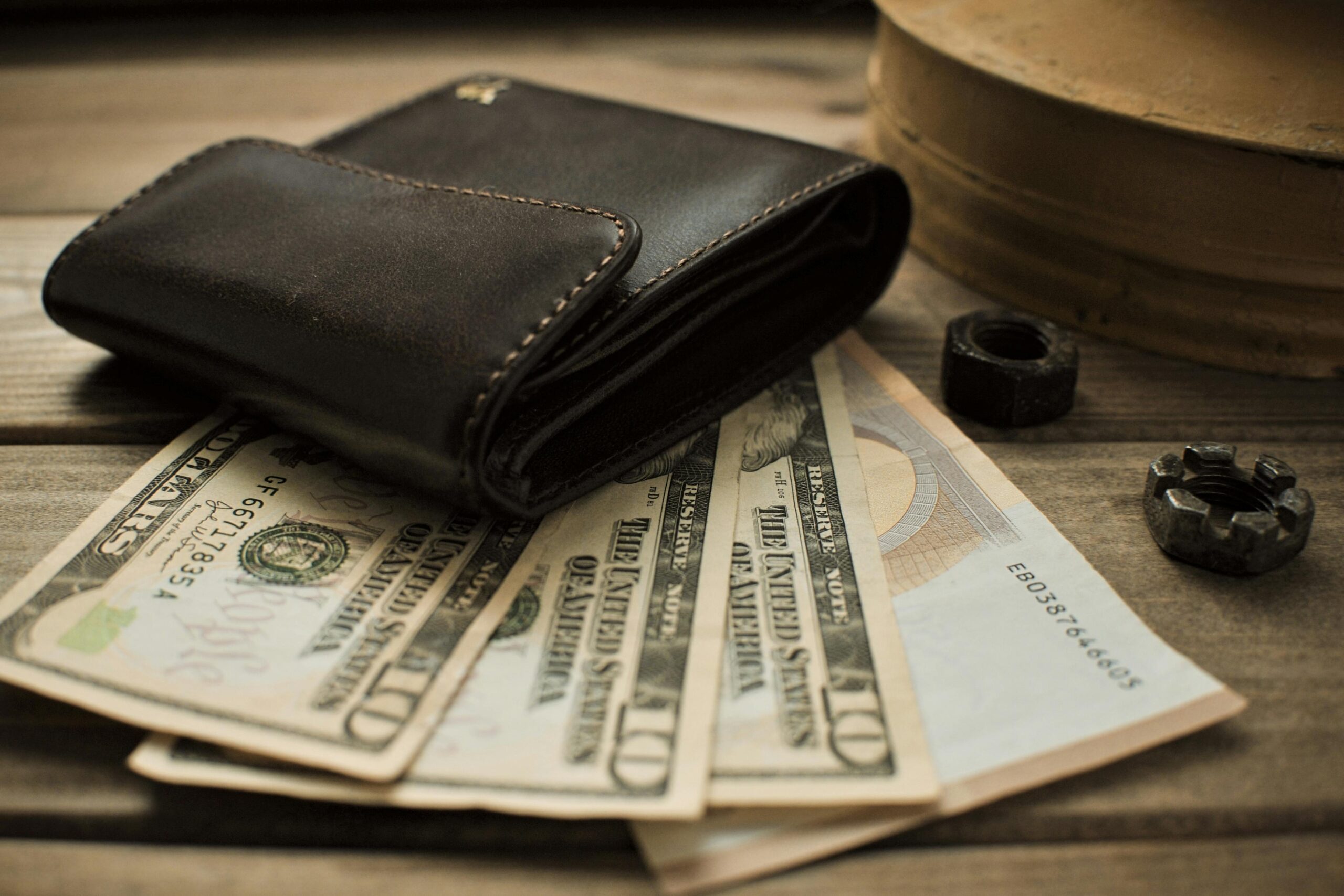
Have you ever held onto an item you never use simply because you spent a lot of money on it? Maybe it’s an expensive kitchen gadget gathering dust, a stack of craft supplies from a hobby you’ve outgrown, or designer clothing with the tags still attached.
If so, you’re not alone. One of the most common reasons people struggle to declutter is a psychological trap known as the sunk-cost fallacy. Understanding this concept can help you make more confident decisions about your belongings and create a home that better supports your well-being.
What Is the Sunk-Cost Fallacy?
The sunk-cost fallacy occurs when we allow past investments of money, time, effort, or emotional energy to influence our current decisions, even when those investments cannot be recovered.
In other words, we tell ourselves:
- “I paid too much for this to get rid of it.”
- “I spent years collecting these.”
- “I worked hard to earn the money that bought this.”
- “Maybe someday I’ll use it.”
The problem is that keeping an item doesn’t recover the money you’ve spent, the time you’ve invested, or the effort you’ve already made. Those costs are in the past. Yet many people continue to hold onto things because letting go feels like admitting a mistake or losing the money all over again.
How the Sunk-Cost Fallacy Creates Clutter
When we hold onto possessions primarily because of what they cost us, our homes can become storage spaces for guilt, regret, and unfinished intentions.
Consider these common examples (I have been guilty of all of them!):
- Clothes that no longer fit but were expensive.
- Exercise equipment purchased with the best intentions but rarely used.
- Duplicate household items saved “just in case.”
- Gifts you don’t like but feel obligated to keep.
Over time, these items occupy more than physical space. They can create mental clutter as well. Each unused item serves as a reminder of money spent, goals not achieved, or decisions we regret. Instead of supporting our lives today, these belongings are like emotional bullies from our past.
The Hidden Cost of Keeping Everything
Many people focus on the cost of letting an item go, but rarely consider the cost of keeping it. Every item in your home requires:
- Space
- Maintenance
- Cleaning
- Organization
- Mental energy
When clutter accumulates, it can contribute to feelings of stress, overwhelm, distraction, and frustration.
The real question should not be, “How much did this item cost?” but rather:
“What is it costing me to keep it?”
If an item is taking up valuable space, creating stress, or preventing your home from functioning the way you want, the ongoing cost may be greater than the original purchase price.
Decluttering as Self-Care
Many people think of self-care as spa days, vacations, or treating themselves to something new. However, self-care should also include creating an environment that supports your daily life.
A decluttered space can help you:
- Find things more easily.
- Reduce daily stress.
- Save time and energy.
- Be aware of what you already own, so you don’t overspend.
- Create room for the activities and relationships that matter most today.
Letting go of items that no longer serve you is not wasteful. It is a way of honoring your current needs and priorities. Your home should support the person you are today—not the person you were years ago, nor a future fantasy self.
How to Overcome the Sunk-Cost Trap
If you find yourself stuck on what you paid for an item, try these strategies:
1. Focus on the Present
Ask yourself: “If I didn’t already own this, would I buy it today?” If the answer is no, it’s probably time to let it go..
2. Separate the Item from the Lesson
Sometimes an item represents a purchase you regret. Getting rid of the item does not erase the lesson you learned. You can acknowledge the experience without continuing to store the evidence of it.
3. Recognize That the Money Is Already Gone
Keeping something you don’t use does not recover the money you spent. The financial loss occurred when the purchase was made, not when the item leaves your home.
4. Consider Whether Someone Else Could Benefit
Donating, selling, or gifting an item can allow it to serve a purpose elsewhere. Rather than sitting unused, it can become valuable to someone who genuinely needs or enjoys it.
5. Give Yourself Permission to Change
People evolve. Interests change. Bodies change. Careers change. Lifestyles change. It is okay to release items that belonged to a previous chapter of your life. Those items don’t define you or your past.
A Compassionate Approach to Decluttering
Decluttering isn’t about perfection, minimalism, or getting rid of everything you own. It’s about making intentional choices that align with your life today.
If you’re struggling to let go of certain items, remember that the goal is not to justify every past purchase. The goal is to create a home that supports your present self.
The sunk-cost fallacy encourages us to keep looking backward. Decluttering invites us to look forward.
By releasing possessions that no longer serve you, you’re not throwing away your investment. You’re investing in something even more valuable: your peace of mind, your space, and your well-being.
